

At the very outset, I wish to commend The Goan, Goa’s local daily, for its Global Goemkar section, which has become a meaningful window into the lives and contributions of our Goan diaspora across the world. It is both comforting and inspiring to see Goans making a positive mark wherever they have taken root. Their presence is felt not only through professional accomplishments and leadership within civic and social spheres, but even more significantly through their steadfast spiritual witness. During my stay in the United Kingdom, I had the grace of personally encountering this vibrant faith in action.
It was truly heartening to witness how many of Goa’s cherished feasts are celebrated abroad with the same reverence, fervour, and communal joy that we experience at home, and more recently, the feast of St Joseph Vaz. These celebrations are not mere nostalgia; they are living affirmations of identity and faith. Much credit is due to the clergy who serve these communities, especially the Pilar Fathers, whose tireless pastoral presence continues to nurture and sustain the spiritual life of Goan Catholics overseas, especially in the UK. A thriving community, I believe, rests upon three pillars: formation, faith, and fellowship. These gatherings beautifully weave all three together, creating spaces where faith is remembered, deepened, and shared across generations.
Pope Benedict XVI, in his profound reflections on priesthood, draws attention to the Gospel passage: “And he appointed twelve, to be with him, and to be sent out” (Mk 3:14). Within these few words lies a theological tension that has echoed through centuries of Christian spirituality: how can one remain with Christ and yet be present in the world? This has often appeared as a perceived divide between contemplative and apostolic vocations, reminiscent of the familiar Martha and Mary dilemma. Such tension arises when we approach these dimensions through the lens of primacy, asking which is more important.
However, Bishop Robert Barron offers a compelling resolution by reframing the question. The issue is not primacy but chronology. Christ first calls His disciples to be with Him, and only then sends them forth. Encounter precedes mission. Silence gives birth to proclamation. Prayer nourishes action. This does not diminish the value of apostolic work; rather, it roots it in authenticity. Only by sitting at the feet of the Lord and listening to His Word can one become a credible witness in the world. Grace received becomes grace carried. What holds true for the ministerial priesthood is equally valid for the common priesthood bestowed through baptism. Every baptized Christian is called to witness to Christ in both word and life. Faith is never meant to remain enclosed; it seeks expression, movement, and presence.
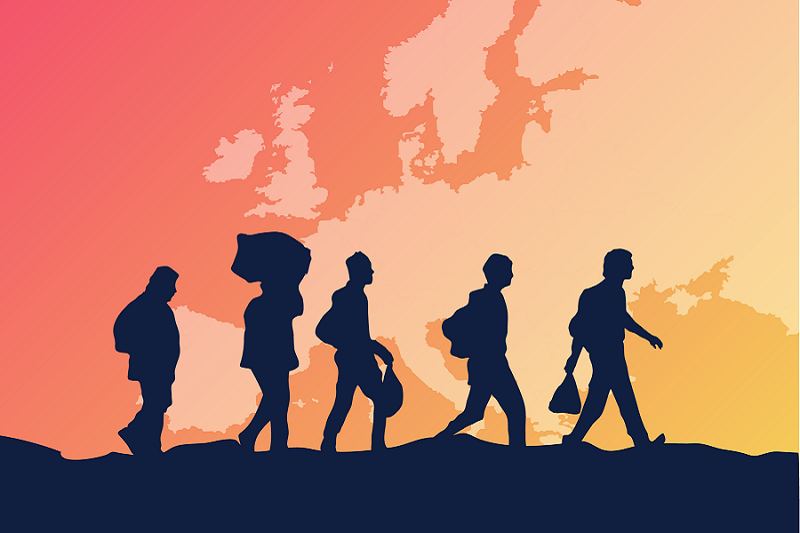
In this light, the story of our Goan diaspora takes on a profoundly ecclesial significance. Our faithful received their faith in the soil of Goa’s parishes, catechism classes, novenas, and liturgical traditions. Today, that same faith travels with them across continents. Centuries ago, Christianity journeyed to India and Goa through apostles and missionaries such as St Thomas, St Francis Xavier, and countless others. Now, history performs a quiet and beautiful reversal: the faith once brought to our shores is being carried back to the lands from which it came.
In many Western countries where churches struggle with declining congregations and aging clergy, migrant Catholic communities, including Goans, have become living arteries of renewal. Ireland and parts of Europe, once great missionary senders, now depend on clergy from Asia and Africa to sustain parish life. Likewise, several dioceses in the UK are witnessing vocations emerging from Goan families, with young men courageously stepping into seminaries for philosophical and priestly formation.
Our Goans have carried far more than passports and professions. They have carried prayer, devotion, liturgical culture, and a lived Catholic identity. In foreign lands, they become small but radiant lamps of faith, quietly illuminating parishes, strengthening communities, and embodying the Gospel through their lives. Their journey is not merely migration, it is mission!
(Published on Renewal, Vol LXIV, No.03, February 1-15, 2026)